
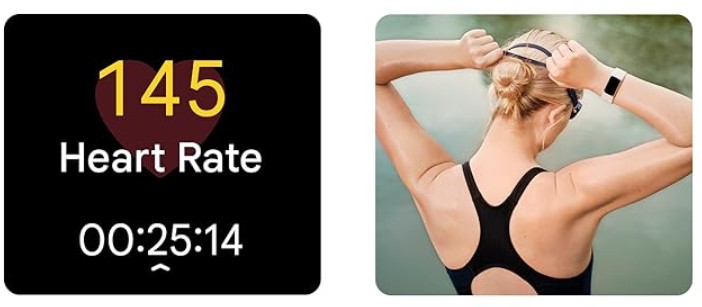




An honest, experience-led 200+ review of the Fitbit Charge 6 activity tracker. We look at features, early impressions, strengths, limitations, and whether it offers fair value for UK buyers.
Fitbit Charge 6 Activity Tracker Reviews – Introduction
The Fitbit Charge 6 sits in an interesting middle ground. It is not trying to replace a full smartwatch, and it is not a bare-bones step counter either. Instead, it is aimed at people who want structured fitness tracking, everyday health insights, and basic smart features, without the bulk, price, or distraction of a full smartwatch.
At a typical UK price range of £100 to £150, the Charge 6 appeals to walkers, runners, gym-goers, and people who simply want to keep a closer eye on daily activity, sleep, and heart rate. It is also often chosen by users upgrading from older Fitbit models, such as the Charge 4 or 5, rather than first-time buyers starting from scratch.


Mixed Overall Rating
That said, while the Charge 6 is a bestseller with a strong overall rating, it is not universally loved. Many owners report smooth day-to-day use and long battery life, while others highlight durability concerns, syncing issues, and mixed accuracy. This makes it a product worth looking at carefully rather than buying on reputation alone.
Key Features at a Glance
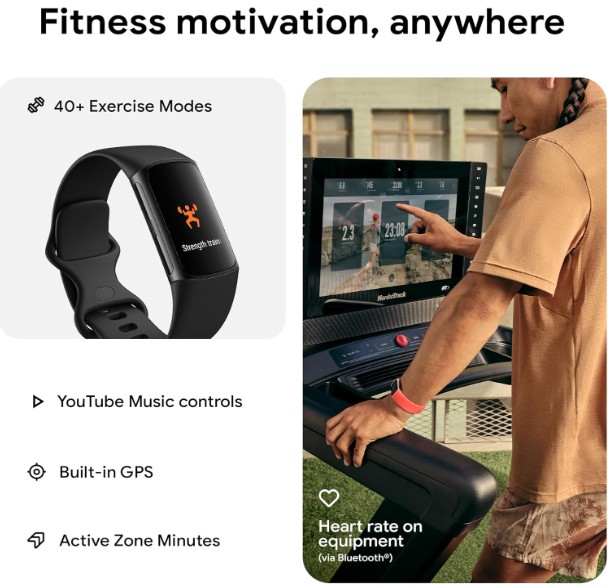
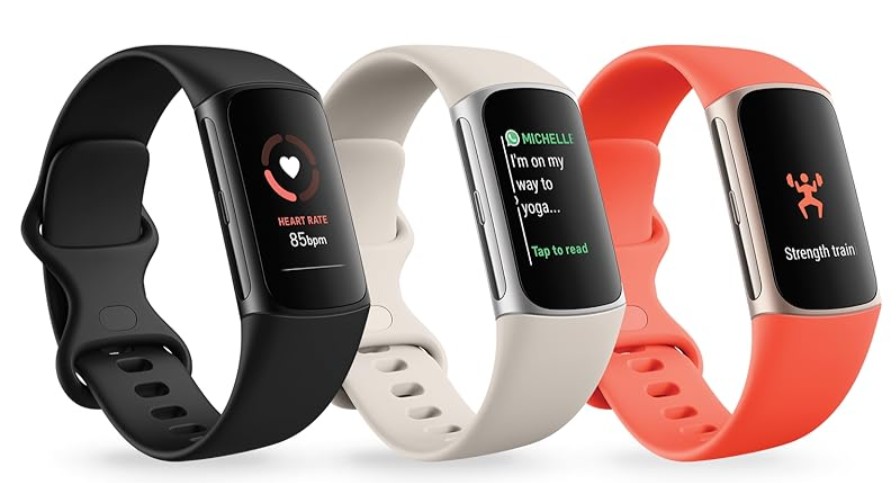
On paper, the Fitbit Charge 6 offers a lot for its size. It includes built-in GPS, over 40 exercise modes, continuous heart rate tracking, sleep tracking, and water resistance up to 50 metres. The inclusion of Google Maps and Google Wallet is a notable upgrade over earlier models, bringing limited but practical smartwatch-style features to a slim fitness band.
Battery
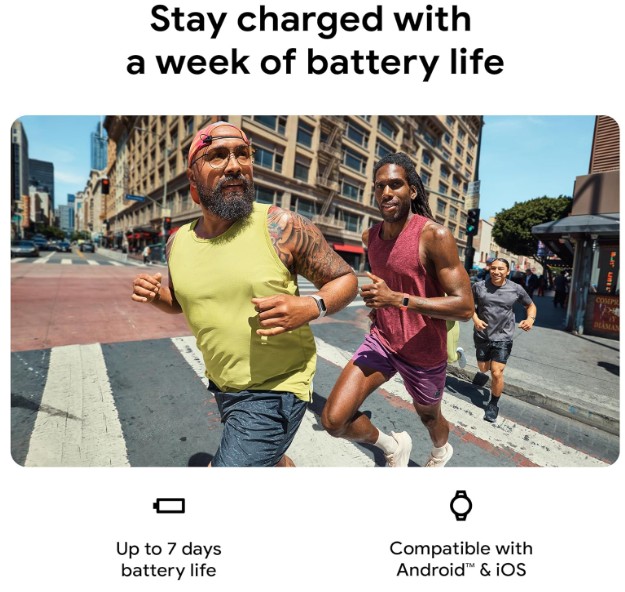
Battery life is quoted at up to 7 days, which is appealing for anyone who dislikes daily charging. In real-world use, this can vary depending on GPS usage, screen brightness, and notifications, something we will come back to later in the review. A video review is also outlined below
Fitbit Premium
The Charge 6 also comes with six months of Fitbit Premium, unlocking deeper sleep insights, readiness scores, and more detailed health data. While useful for some, Premium is a recurring cost that not everyone feels adds long-term value.
Overall, the Fitbit Charge 6 looks well-equipped and competitively priced, but as customer feedback shows, the experience can differ depending on expectations and usage. The sections that follow break this down in more detail, starting with positive user experiences before moving into mixed and negative feedback.

Positive Reviews
Across a large volume of UK feedback, the Fitbit Charge 6 receives strong praise for doing the basics well while adding a few genuinely useful upgrades. While not every owner uses every feature, many reviews reflect a sense that the Charge 6 feels like a refined, practical tracker rather than a gimmicky one.
Easy to Use and Straightforward Setup
One recurring theme is simplicity. Many users highlight that the tracker is easy to set up, easy to navigate, and easy to live with day to day, especially compared to bulkier smartwatches.
Several reviews describe it as “small, easy to connect, and lightweight”, with the interface feeling intuitive once set up. Even those who describe themselves as “not great with tech” often report that, after an initial learning curve, the device becomes second nature to use.
There is also appreciation for the touchscreen being responsive without being overly sensitive, allowing users to swipe through stats quickly while still keeping the time visible.
Comfortable, Lightweight, and Well-Sized
Comfort comes up repeatedly, especially among people who wear the tracker all day and night. The slim rectangular design is often described as light enough to forget it is there, which matters for sleep tracking and continuous wear.
Some users specifically note that the Charge 6 works well on smaller wrists, describing it as “the perfect size” and less intrusive than wider smartwatch designs. Others appreciate that it sits neatly alongside tattoos or narrow wrist spaces where larger watches feel awkward.
Comments such as “so comfortable to wear”, “fits well”, and “light and comfy” appear consistently, suggesting that Fitbit has largely nailed the ergonomics this time around.
Battery Life That Reduces Charging Fatigue
Battery life is another standout point in positive reviews. Many owners praise the Charge 6 for lasting close to its advertised seven days, particularly when GPS is not in constant use.
This longer battery life is seen as a major advantage over full smartwatches that require daily charging. Several users mention enjoying the freedom of not worrying about charging every night, especially those using the tracker primarily for steps, heart rate, and sleep monitoring.
Phrases like “great battery life” and “battery life good” are common, reinforcing that, for many, the Charge 6 meets expectations in this area.
Fitness Tracking That Covers Most Needs
For activity tracking, many reviews suggest the Charge 6 “ticks all the boxes” for everyday fitness. Automatic exercise detection is frequently mentioned, with users pleased that activities such as cycling, swimming, rowing machines, spinning, and even gardening are recognised without manual input.
The wide range of exercise modes appears to appeal more to variety-seekers than specialists. While not everyone uses all 40+ modes, the flexibility is appreciated. One review notes that while there are “lots of functions I don’t use”, the tracker still does exactly what was needed, particularly for step tracking and daily movement.
Sleep tracking also earns strong praise, with several users describing it as one of the better sleep tracking experiences they have had. Comments such as “best tracker for sleep tracking” and appreciation for sleep insights suggest this is a key strength for Fitbit loyalists.
Clear Display and Improved Readability
Another commonly praised improvement is screen clarity. Users upgrading from older Fitbit models often highlight that the Charge 6 is much easier to read in bright conditions, including sunlight.
This is particularly noticeable for people who struggled with previous models outdoors. Feedback describing the display as “clear”, “easy to read”, and “a lot better” suggests that visibility has improved in real-world use.
Useful Smart Features Without Overcomplication
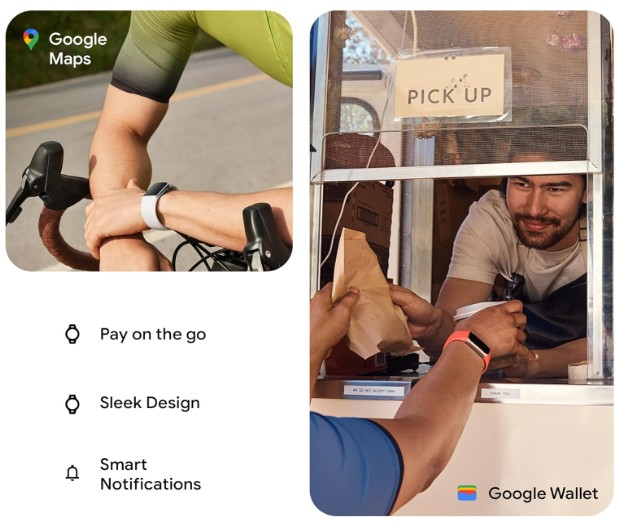
While the Charge 6 is not a full smartwatch, many positive reviews mention enjoying features such as notifications, call and text alerts, Google Maps prompts, and Google Wallet.
These features are often framed as helpful rather than essential. Owners appreciate being able to glance at directions, receive notifications, or make quick payments without pulling out a phone, but without the distractions of constant app interactions.
For some, this balance is exactly what they want, described simply as “all the features I need” rather than more than necessary.
Strong Perception of Value for Money
Value for money is one of the most repeated compliments. At the £100–£150 price point, many users feel the Charge 6 delivers a lot for the cost, especially when compared to smartwatches costing significantly more.
Phrases like “great value”, “excellent value”, and “great purchase” appear frequently. This sentiment is especially strong among those buying the Charge 6 as a gift, where recipients reportedly felt happy with both the look and functionality.
Even buyers of used or discounted units often comment positively, suggesting that the tracker holds its appeal even outside full retail pricing.

Positive Experiences with Replacements and Longevity
While customer service is not universally praised across all reviews, some positive feedback notes that when issues were acknowledged, replacements were eventually provided. In at least one case, a device affected by an app update was replaced free of charge after initial frustration, leaving the reviewer with a more balanced final impression.
This does not cancel out wider concerns discussed later in mixed and negative reviews, but it does show that some users end up satisfied even after early problems.
Overall, positive reviews paint the Fitbit Charge 6 as a comfortable, capable, and generally reliable activity tracker for everyday use. For many owners, it feels like a sensible evolution of the Charge series, offering meaningful upgrades without overcomplicating the experience.
Mixed Reviews
Mixed reviews of the Fitbit Charge 6 tend to follow a clear pattern: most users like the tracker itself, but run into frustrations with reliability, battery life, or the Fitbit/Google app experience. These reviews often land at 3–4 stars because the core product feels good, while specific issues prevent it from being fully satisfying.
Generally Good Tracker With Some Reliability Concerns
Many mixed reviewers describe the Charge 6 as a good or even great tracker when it works properly, but note inconsistencies between units. A recurring theme is variability: some devices perform exactly as advertised, while others suffer from early issues such as chargers failing within weeks, screens dimming over time, or devices suddenly refusing to charge.
Several users report having to replace their first unit, with mixed outcomes. In some cases, replacements performed significantly better, suggesting quality control rather than design flaws. However, others experienced failures after 12–18 months, leading to concerns about long-term durability and perceived “built-in obsolescence.”
Battery Life: Highly Dependent on Usage and Expectations
Battery life is one of the most divisive topics. While some users still achieve close to a week between charges, many mixed reviews argue that the advertised seven-day battery life is unrealistic for typical use. Common complaints include
- GPS draining the battery very quickly
- Needing to charge every 2–3 days
- Battery performance degrading noticeably after a year or so
Even users who like the device overall often downgrade their rating due to frequent charging, especially those upgrading from older Fitbit models like the Charge 3 or Charge 4, which they felt lasted longer under similar usage.
App and Google Integration Frustrations
A significant portion of mixed feedback focuses not on the hardware, but on the Fitbit app under Google ownership. Long-time Fitbit users, in particular, express disappointment with recent app updates, describing the interface as less intuitive, more cluttered, and increasingly focused on subscriptions. Syncing problems are frequently mentioned. Some users report…
- The tracker losing connection every few days
- Having to restart their phone or reinstall the app
- Data not syncing reliably unless manually prompted
These issues are especially frustrating for users who otherwise enjoy the device, as the tracker feels excellent when syncing works smoothly.

Comfort and Design Mostly Praised, Bands Less So
Physically, the Charge 6 continues to receive praise for being compact, lightweight, and unobtrusive, especially compared to larger smartwatches. Many users specifically chose it because it fits smaller wrists or feels comfortable for 24/7 wear.
However, the silicone bands attract repeated criticism. Some users report skin irritation or rash-like reactions, even with regular cleaning. A few resorted to third-party straps or workarounds, such as tape, and noted that a hypoallergenic option should really be included by default at this price point.
Feature Omissions and Regressions from Older Models
Mixed reviews also highlight frustration over features removed or changed compared to earlier Charge models. The most commonly mentioned omission is the lack of an altimeter, meaning the Charge 6 does not track floors climbed, a step backwards for users upgrading from the Charge 4.
Other small but emotionally important features are also missed, such as motivational animations, step reminders, or automatic walk detection behaving less reliably than on older devices. Individually minor, these changes add up for long-term Fitbit fans.
Accuracy Is Good, but Not Perfect
Most reviewers agree that the Charge 6 is accurate enough for everyday fitness tracking, especially when used to monitor trends rather than exact figures. Step counts, heart rate, and sleep tracking are generally trusted.
That said, a few users report odd behaviour, such as heart rate spikes during meditation or exercise logs failing to record unless started manually. These inconsistencies don’t break the experience, but they chip away at confidence.

Value for Money, With Caveats
Despite the complaints, many mixed reviewers still consider the Charge 6 good value for money, particularly when bought at a discount or bundled with Fitbit Premium. Several explicitly say they would buy it again but with reservations or recommend it to budget-conscious buyers rather than serious athletes.
Others note that while they enjoy the Charge 6, they would consider switching to brands like Garmin next time, largely due to concerns about app quality, battery longevity, and long-term support rather than the tracker’s core functionality.
Overall, mixed reviews suggest the Fitbit Charge 6 is a capable and comfortable fitness tracker held back by software frustrations, battery inconsistencies, and durability concerns. For many users, it does what it should most of the time, just not reliably enough to earn a full five stars.

Negative Reviews
Negative feedback on the Fitbit Charge 6 is consistent, detailed, and often emotional, with many reviewers feeling let down by a product they expected to trust. While some criticism focuses on isolated faults, a much larger portion points to systemic issues around reliability, battery life, syncing, and long-term durability. Below are the main themes that repeatedly appear across low-rated reviews.
Heart Rate Accuracy Issues - A Deal Breaker for Some
One of the most serious complaints concerns erratic heart rate monitoring. Several reviewers report sudden, unrealistic spikes or drops that do not match how they feel physically, nor manual measurements.
Comments describe experiences such as…
- Randomly high heart rate readings while resting
- Low heart rate alerts when manual checks show normal levels
- Heart rate data being “all over the place” compared to older Fitbit models
One reviewer summed it up bluntly, calling the readings “pretty but inaccurate,” stating that false high heart rate alerts were a complete deal breaker and forced a return to an older, more reliable Fitbit model. For users who primarily buy a tracker for heart rate monitoring, this issue alone was enough to abandon the Charge 6 entirely.
Battery Life - Far Worse Than Advertised
Battery performance is one of the most common and most damaging criticisms. Many negative reviews state that the Charge 6 needs charging every 1–3 days, even with moderate use, and that battery health deteriorates rapidly within months. Typical complaints include…
- “Absolutely ridiculous” battery life
- Devices lasting less than 12 hours after under a year
- Older models like the Charge 4 outperforming the Charge 6 by a wide margin
Several reviewers describe a familiar pattern: the battery performs acceptably at first, then gradually collapses until the device becomes “basically useless.” This has led many to conclude that the product is not designed to last beyond the warranty period.
Syncing and App Failures Make the Device Unusable
A very strong theme across negative reviews is persistent syncing failures between the Charge 6 and the Fitbit app. Once syncing stops, the tracker effectively loses its purpose. Reported problems include…
- The device randomly disconnecting and never reconnecting
- Notifications stopping without warning
- Fitness data failing to upload despite repeated resets
- Firmware updates failing or causing new issues
Some reviewers describe hours spent reinstalling apps, resetting devices, and following support instructions, only for the same problems to return. One particularly frustrated review stated that the tracker “got progressively less useful” until it became pointless to wear.
Reliability and Longevity Concerns
A striking number of negative reviews report complete device failure between 5 and 14 months, often just outside warranty coverage. Common failure modes include…
- Device refusing to turn back on
- Screen stopping entirely
- Battery no longer holding charge
- Charging pins wearing out
Many reviewers mention owning multiple Fitbit devices over the years and noticing a clear decline in build quality. Phrases like “another one bites the dust” and “not made to last” appear repeatedly, suggesting that long-term Fitbit users feel especially disappointed.
One reviewer described two Charge 6 devices failing within a year, concluding that the price simply isn’t justified for such a short lifespan.
- Charging Design and Hardware Wear
- Charging problems are another frequent complaint. Reviewers report:
- Charging pins wearing down
- Difficulty maintaining contact with the charger
- Devices appearing to charge but gaining no battery
Some expressed confusion about the charging pin design, questioning why multiple pins exist when only some are used. For users who rely on the device as an alarm or daily tracker, inconsistent charging became a major frustration.
Water Resistance Claims Questioned
Despite being marketed as water resistant up to 50 metres, several reviewers report that the Charge 6 failed after light water exposure, including shallow swimming or splashing in the sea. Descriptions include…
- Devices dying after first swim
- Repeated resets needed after swimming
- Complete failure after limited water exposure
- This has left some users feeling misled, especially those who bought the Charge 6 specifically for swimming.
Quality Control and Packaging Issues
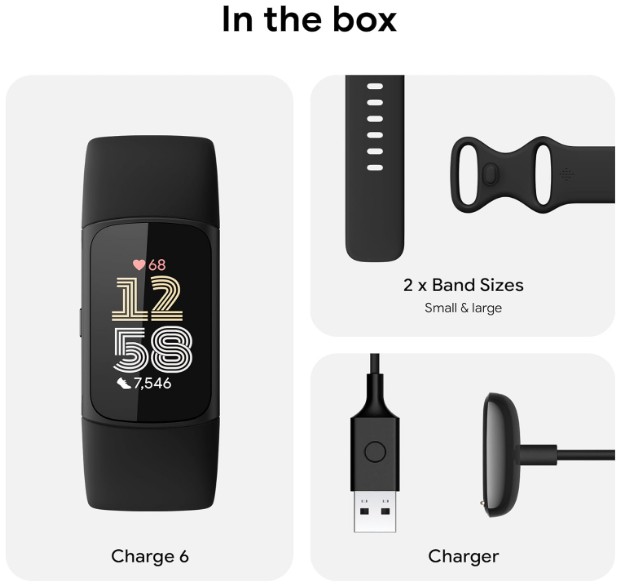
A smaller but alarming subset of reviews report receiving used, damaged, or incomplete units, even when purchased as new. Complaints include…
- Missing straps or chargers
- Devices arriving dirty or scratched
- Unbranded packaging with no instructions
These experiences understandably led to immediate returns and extremely low ratings, with reviewers expressing shock and disappointment.
Subscription Frustrations and Feature Limitations
Several negative reviews also criticise the Fitbit Premium model, arguing that key health insights are locked behind a subscription. Reviewers question why sleep analysis, cardio metrics, or meaningful insights should require ongoing payment after buying an expensive device.
Others felt the Charge 6 was bloated with features they did not want, while lacking practical ones they expected, such as reliable cardio load tracking or consistent workout detection.
Customer Support and Refund Difficulties
Customer service experiences significantly worsen negative perceptions. Reviewers describe…
- Being passed between retailer and Fitbit
- Long delays for refunds
- Support acknowledging issues but offering no real solutions
One reviewer called customer service “diabolical,” stating that repeated contact attempts led nowhere and ultimately caused them to abandon the brand altogether.
Safety Concerns - Rare but Serious
A very small number of reviews raise serious safety concerns, including reports of devices overheating or failing catastrophically while charging. While rare, these comments understandably have a strong impact on perception, especially when paired with broader reliability complaints.
Overall, negative reviews paint a picture of a tracker that can work well initially but often fails prematurely, with battery degradation, syncing problems, and poor durability dominating criticism. For many reviewers, the Charge 6 represents a turning point where long-time loyalty to Fitbit finally ends, driven not by missing features, but by a loss of trust in reliability and longevity.
Pros for the Fitbit Charge 6 Tracker
1, Slim, Lightweight Design - The Fitbit Charge 6 keeps a narrow, low-profile shape that many users find more comfortable than bulkier smartwatches. It sits flat on the wrist, making it suitable for all-day wear, sleep tracking, and smaller wrists. Several users appreciate that it feels light enough to forget it’s there, especially compared to wider devices like Apple Watch.
2, Clear, Bright Display - The AMOLED screen is generally regarded as sharp and easy to read, even outdoors. Compared to older Fitbit models, the display is brighter and offers improved visibility in daylight, which is useful for checking stats during walks or workouts without squinting.
3, Wide Range of Exercise Modes - With 40+ exercise modes, the Charge 6 supports a broad mix of activities including walking, running, cycling, swimming, gym equipment, and even gardening. Automatic activity detection works well for common movements, which helps capture exercise without manual input.
4, Built-in GPS - Having GPS built in is a meaningful upgrade for users who want to track outdoor routes without carrying a phone. It supports pacing and distance tracking for runs and walks, which may appeal to casual runners and walkers who want simple location-based data.
5, 7-Day Battery Life (Under Light Use) - Some users report achieving close to the advertised battery life when features like GPS, always-on display, and frequent notifications are limited. For light tracking and basic notifications, battery performance can be acceptable.
6, Good Everyday Activity Tracking - Step counting, movement reminders, and Active Zone Minutes provide simple, easy-to-understand activity feedback. For users focused on daily movement rather than performance training, this level of tracking may be sufficient.
7, Sleep Tracking Features - Sleep tracking is often highlighted positively, particularly for sleep duration, sleep stages, and bedtime routines. Some users feel it helps them become more aware of sleep habits, although deeper insights require a Premium subscription.
8, Comfortable for Day and Night Wear - The band and form factor are widely described as comfortable, even when worn overnight. This is especially relevant for people interested in sleep tracking who do not want a bulky device pressing into the wrist.
9, Smart Features Without Full Smartwatch Complexity - Google Wallet, Google Maps, notifications, alarms, timers, and music controls add convenience without turning the device into a full smartwatch. For users who want light smart features rather than a mini phone on their wrist, this balance may appeal.
10, Good Entry Point to the Fitbit Ecosystem - For those already invested in Fitbit’s app, community, and historical data, the Charge 6 integrates smoothly and keeps everything in one place, assuming syncing works as expected.
11, Often Discounted in the UK - While the RRP can feel high, the Charge 6 is frequently available in the £100–£150 range, which improves its value proposition when bought on sale rather than at full price.
Cons for the Fitbit Charge 6 Tracker
1, Inconsistent Heart Rate Accuracy - A significant number of users report erratic heart rate readings, including false spikes or drops. For those who rely heavily on heart rate data for training, health awareness, or reassurance, this inconsistency can undermine trust in the device.
2, Battery Life Can Fall Far Short of Claims - Although some users achieve good battery life, many report needing to charge every 1–3 days, particularly when GPS or notifications are enabled. Battery performance also appears to degrade quickly for some users within the first year.
3, Syncing and Connectivity Problems - One of the most common complaints involves the device failing to sync reliably with the Fitbit app. When syncing stops, data uploads fail, notifications break, and the tracker loses much of its usefulness.
4, Long-Term Durability Concerns - A notable pattern across reviews suggests the Charge 6 may struggle to last beyond 12–24 months. Reports of screens failing, batteries dying, or devices refusing to turn on just outside warranty are common.
5, Charging Hardware Issues - Charging pins wearing out or failing to maintain consistent contact is a recurring complaint. For users who rely on the tracker as an alarm or daily companion, unreliable charging becomes a serious inconvenience.
6, Water Resistance Not Always Reliable - Despite being rated for swimming, several users report failures after light water exposure. This creates uncertainty for swimmers and anyone expecting consistent performance in wet conditions.
7, Fitbit Premium Pressure - While basic tracking works without Premium, many deeper insights are locked behind a subscription. Some users find the app overly pushy, especially given the upfront cost of the device.
8, App Experience Can Be Frustrating - The Fitbit app is praised for layout and data depth by some, but heavily criticised by others for bugs, syncing issues, and confusing behaviour following updates. App problems often make hardware issues feel worse.
9, Automatic Workout Detection Is Not Perfect - While convenient, automatic detection sometimes ends workouts early, misses sections, or misclassifies activities. This can result in incomplete or misleading exercise data.
10, No Physical Home Button - Navigation relies entirely on touch and gestures. Some users find the lack of a physical button frustrating, especially when the screen does not wake reliably.
11, Feature Overload for Casual Users - Some buyers feel the Charge 6 includes features they never use, while missing reliability in the basics. For step counters or simple trackers, this can feel unnecessary.
12, Quality Control and Packaging Issues (Rare but Notable) - A small number of users report receiving incomplete or used units. While not common, these experiences severely impact trust.
13, Customer Support Experiences Are Mixed - When problems arise, some users report smooth replacements, while others describe long delays, unclear responsibility, or difficulty securing refunds.
Summary of Pros and Cons
The Fitbit Charge 6 offers a strong feature set on paper and can work well for light, everyday tracking, especially when bought at a discount. However, recurring issues around reliability, battery life, syncing, and long-term durability mean it is not a risk-free purchase, particularly for users who depend on accurate data or expect several years of use.
Who it is For
The Fitbit Charge 6 may be a reasonable choice for people who want a mid-range fitness tracker that balances activity monitoring with light smart features without the complexity or bulk of a full smartwatch. It holds appeal if you:
Want comfortable all-day wear – The slim, lightweight design makes it easy to wear day and night. Users who dislike heavier wrist devices particularly appreciate how unobtrusive it feels during sleep and daily activity.
Primarily track daily activity and trends – For those focused on steps, movement reminders, Active Zone Minutes, and general exercise tracking, the Charge 6 offers a wide range of modes and automated detection that covers most everyday needs.
Appreciate built-in GPS for outdoor activities – Walkers and runners who occasionally want route data without carrying a phone will find this feature a useful addition compared with more basic trackers.
Use Fitbit’s ecosystem and community – If you already track data in the Fitbit app or use it to log food, sleep, and trends over time, the Charge 6 integrates well into that setup and keeps all information in one place.
Want basic smart features – Notifications, alarms, timers, Maps and Wallet support provide convenience without the distraction of full app interaction. For people who want light connectivity, this strikes a practical balance.
Are buying at a discount or on sale – Given mixed feedback on reliability, value perception improves significantly when the Charge 6 is purchased below its full UK retail price.
In short, this product may support anyone seeking a comfortable, feature-rich tracker for everyday movement and casual fitness, particularly when not reliant on pinpoint precision or professional-grade insights.
Who it is Not For
There are several user groups for whom the Fitbit Charge 6 may be a poor fit, based on recurring feedback around performance and long-term reliability. It is probably not ideal if you:
Depend on accurate heart rate or physiological data – Users who use trackers for performance training, heart rate zones, or health metrics found inconsistent readings to be a serious limitation. When data varies unpredictably, confidence in tracking suffers.
Require long battery life with heavy use – If you regularly use GPS, frequent notifications, always-on display, or other active features, battery life often falls well short of the seven-day claim. Users who value minimal charging will likely be disappointed.
Expect robust reliability over years – A substantial number of reviewers report failures in less than 12–18 months, including devices that stop charging or turn on. Those who want a durable investment that lasts several years may choose other brands with stronger longevity reputations.
Want glitch-free syncing and app experience – Syncing problems, app bugs, and intermittent connectivity issues feature prominently in negative feedback. If seamless communication between device and phone is essential, this Tracker may feel frustrating.
Are sensitive to subscription pushiness – Many features, especially deeper sleep or readiness insights, require a Fitbit Premium membership beyond the included six months. Users who dislike recurring costs may feel that key functionality should be available without ongoing subscription pressure.
Need advanced training metrics – Athletes or serious fitness enthusiasts who rely on precise workout segmentation, altimeter data (for hills/floors), or advanced performance metrics may find the Charge 6 wanting compared with higher-tier devices.
Want a stress-free out-of-the-box experience – A few buyers report missing components (such as straps or chargers) in packaging. While not common, such quality control issues can be especially frustrating for gift recipients or first-time users.
In summary, the Charge 6 is less suitable for anyone who needs robust accuracy, long-term reliability, or advanced features without compromise. It may serve well as a casual tracker, but not as a dependable tool for serious health monitoring or intensive training.

Final Verdict and Recommendation
Looking at the Fitbit Charge 6 through an honest lens, it’s clear this activity tracker sits somewhere in the middle ground of the fitness device world. It’s not lightweight puffery, but it’s not a flawless, precision instrument either. For many users, it does what a tracker should do: keeps an eye on your steps, nudges you to move, logs walks and runs, and stays comfortable on your wrist. It even adds some welcome touches like built-in GPS and a bright, readable screen.
Trade Off’s
That said, it is equally clear from a broad cross-section of user experience that it isn’t without trade-offs. Battery performance is far from consistent, syncing and app behaviour can be frustrating, and long-term reliability appears to vary widely between units. Something that starts off feeling like a reliable everyday companion can, in some cases, feel more like a short-term fling by the time the first anniversary rolls around. Add to that occasional missing hardware out of the box, quirks with heart rate data, and the need for subscription nudges to unlock deeper insights, and you have a device that promises a lot more than it reliably delivers for every buyer.
Who Might Like It
If what you want is a comfortable, affordable way to track general activity, sleep patterns, and basic workouts, and you enjoy the Fitbit app ecosystem (and don’t mind occasional tech fuss), the Charge 6 may support your day-to-day routine well enough. It’s compact, unobtrusive, and covers a broad feature set without the battery drain and bulk of full smartwatches.
It’s also more attractive value when purchased at a discount rather than at full UK retail price – sudden price drops or bundles with Fitbit Premium help make its compromises easier to digest.
Who Might Want to Look Elsewhere
If you depend on consistent biometric accuracy, long-lasting hardware, seamless smartphone connectivity, or if you hate fiddling with apps and resets, this tracker might feel like a frustrating handshake with technology that doesn’t stick. Serious runners, performance athletes, and anyone who wants their device to keep pace with them for years rather than months may find better durability and consistency in other brands.
The Fitbit Charge 6 is a classic case of “good in theory, mixed in practice.” It supports many of the functions most people think they want from a fitness tracker, but in everyday use some buyers find those functions less reliable than hoped. For casual tracking and light fitness goals, it does enough to justify consideration. For anything beyond that, its limitations become harder to ignore.
Overall rating: ⭐⭐⭐☆☆ (3 out of 5)
Final Word
If you approach it with modest expectations and value comfort, basic tracking, and integration with Fitbit’s app, the Charge 6 may be a solid choice. But if you’re after rock-solid performance every time or hardware that stands the test of years rather than months, you might want to explore alternatives before parting with your pounds.


Recent Comments