





What is the Kayman yoga mat made of? A clear, honest breakdown of TPE foam, comfort, grip, durability, and real-world trade-offs, explained in simple terms without the marketing fluff.
What Is the Kayman Yoga Mat Made Of?
If you have ever bought a yoga or exercise mat online, you will know the material descriptions can feel a bit… vague. Words like “TPE”, “BNR foam”, “high density”, and “eco-friendly” get thrown around, but very little is explained in plain English.
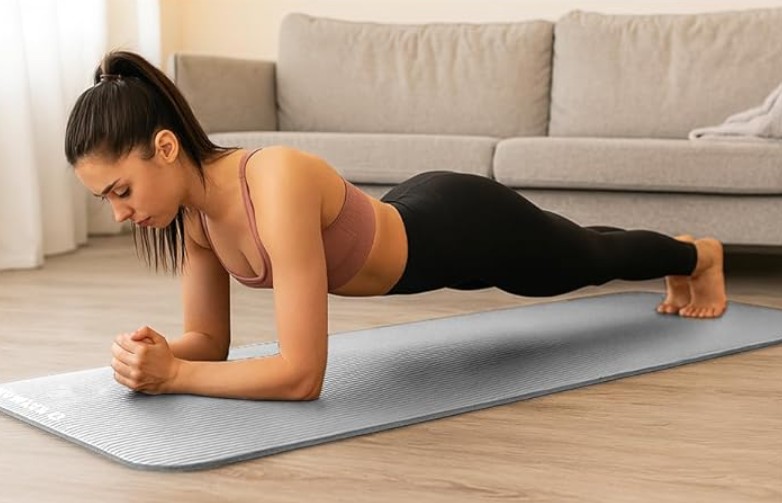

So let’s slow it down and answer the simple question properly. What is the Kayman yoga mat actually made of, and what does that mean for real-world use?
The Short Answer
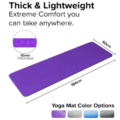
The Kayman yoga mat is made from foam, specifically TPE foam, with the manufacturer also referencing BNR foam. In everyday terms, this means it is a soft, flexible, rubber-like foam mat designed for comfort rather than extreme grip or long-term heavy-duty use. It is not rubber, not cork, and not fabric-based. It sits firmly in the lightweight foam mat category. Now let’s unpack that properly.
What Is TPE Foam, in Simple Terms?
TPE stands for Thermoplastic Elastomer. That sounds technical, but here is the plain-English version - TPE is a plastic-rubber hybrid. It behaves a bit like rubber, soft, flexible, slightly springy, but it is made using plastic-style manufacturing methods. Think of it as the same family of materials used in things like…
- Soft phone cases
- Flexible kitchen utensils
- Some gym flooring and padding
For yoga mats, TPE foam is popular because it is…
- Lightweight
- Cushioned
- Easy to roll and carry
- Cheaper to produce than natural rubber
The Kayman mat uses high-density TPE foam, which simply means the foam is packed a little tighter than ultra-cheap mats, giving it more padding and a slightly firmer feel.
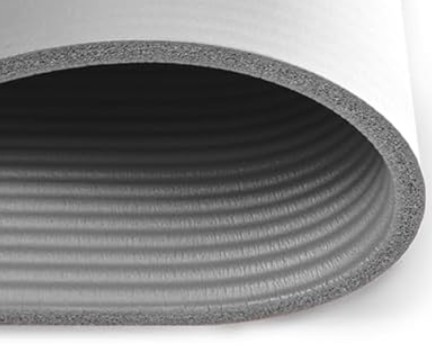
What About BNR Foam?
The listing also mentions BNR foam, which is not a commonly standardised term like TPE. In most cases, this appears to be a branding or manufacturing term rather than a globally recognised material standard.
In practical terms, BNR foam usually refers to…
- A synthetic, non-toxic foam blend
- Designed to be skin-safe
- Made using reusable or recycled foam compounds
So when Kayman says the mat is made using “reusable, non-toxic BNR foam”, what they are really saying is:
- It is not natural rubber
- It is synthetic foam
- It is intended to be safer for skin contact and less harmful than older PVC mats
This does not make it fully biodegradable or zero-impact environmentally, but it is generally considered a step up from cheap PVC mats.
How Does This Material Feel in Use?
Because the Kayman mat is foam-based, the feel is…
- Soft under knees and joints
- Slightly springy
- Comfortable for floor-based exercises
This makes it well-suited to...
- Pilates
- Stretching
- Home workouts
- Light resistance training
- Meditation or recovery sessions
However, foam behaves differently to rubber. Under pressure, especially during yoga poses that require balance or grip, foam can…
- Compress
- Stretch slightly
- Lose traction if your hands or feet move quickly
- That is not a defect, it is just how foam works.

Grip and Slip Resistance, the Honest Truth
The mat is described as “non-slip”, which is partially true. The underside grips the floor reasonably well, especially on wood, tile, or laminate. It does not usually slide away from you during basic movements.
The top surface, however, relies on texture rather than stickiness. When dry, it offers acceptable grip. When sweaty, the grip can reduce. This is why some users are happy with it for Pilates or stretching but less impressed when using it for yoga flows or balance-heavy poses.

Sweat Resistance and Cleaning
Because the mat is made from closed-cell foam, it does not absorb moisture easily. Sweat mostly stays on the surface rather than soaking in. That means…
- Easier cleaning
- Less smell buildup than fabric-style mats
- Better hygiene for home use
However, like most foam mats, it can have a slight rubbery or chemical smell when new, which usually fades after airing it out for a few days.
Durability Trade-Offs
Foam mats are comfortable, but they are not indestructible. Over time, especially with…
- Shoes
- Repeated pressure in the same spots
- Regular folding or tight rolling
You may notice…
- Compression marks
- Stretching
- Minor surface wear
This does not make the mat unusable, but it does explain why it is priced as a budget-friendly, multi-purpose mat, not a premium yoga mat.
What Is TPE Foam Actually Made From? The Science Bit
TPE stands for Thermoplastic Elastomer, which sounds intimidating but is basically a hybrid material. It sits somewhere between plastic and rubber, borrowing useful traits from both.
From a chemistry point of view, TPE is not a single substance. It is a blend of polymers, engineered to be flexible, durable, and recyclable. The exact recipe varies by manufacturer, but most TPE foams used in yoga and exercise mats are built from the following core components.
1, Thermoplastic Polymers (The Structure)
At its core, TPE is made from thermoplastic polymers, often based on
- Polyolefins (such as polyethylene or polypropylene)
- Or styrenic block copolymers (SBCs)
- A common example of a styrenic block copolymer used in TPE is SBS or SEBS
- SBS = Styrene-Butadiene-Styrene / SEBS = Styrene-Ethylene-Butylene-Styrene
These materials have a block structure, which means they contain hard segments and soft segments in the same molecule. In simple terms…
- The styrene blocks act like anchors or junction points
- The rubber-like blocks allow the material to stretch and compress
- This is why TPE can feel soft under your knees but still spring back instead of flattening permanently.

2, Foaming Agents (The Cushion)
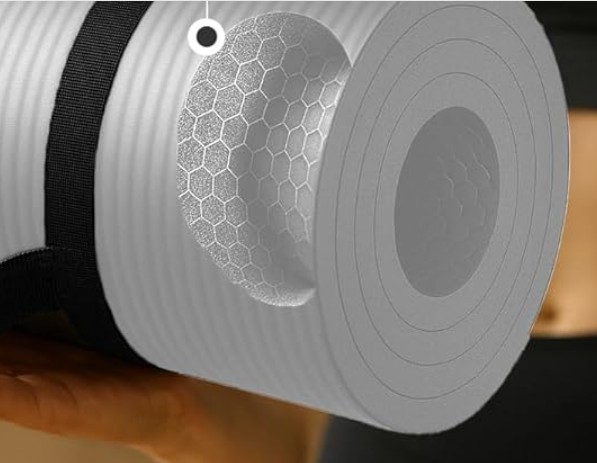
To turn solid TPE into TPE foam, manufacturers add foaming agents during production. These agents release gas when heated, creating tiny closed cells inside the material. Think of it like microscopic bubbles trapped inside the mat. These cells are what give the mat…
- Shock absorption
- Lightweight feel
- Insulation from cold floors
From a materials science perspective, this is called a closed-cell foam structure, which also explains why the mat resists absorbing sweat or water.
3, Plasticisers (Controlled Flexibility)
Unlike PVC mats, TPE does not rely on phthalate plasticisers, which are the additives that often raise health and environmental concerns. Instead, TPE uses Internal polymer flexibility or safer, non-migrating softening agents This means the flexibility is built into the polymer itself rather than added as a separate oily chemical that can leach out over time.
That is one reason TPE mats tend to smell less and feel less greasy than cheap PVC mats, although some new-mat odour can still occur.
4, Fillers and Reinforcements (Stability and Cost Control)
Some TPE foams include small amounts of Mineral fillers such as calcium carbonate (CaCO₃) or reinforcing agents to improve tear resistance. These help with Shape stability, controlling excessive stretch and keeping costs reasonable without making the mat brittle
Used correctly, fillers do not reduce comfort, but too much can make a mat feel stiff or less grippy, which is why quality varies between brands.
5, Pigments and Surface Texturing
Finally, colour pigments and surface textures are added during moulding. The ribbed or patterned surface seen on many TPE mats is not just cosmetic. It is part of the mould design and helps increase friction between your hands and the mat and the mat and the floor.
No surface coating is required, which is another reason TPE mats tend to age better than coated foam alternatives.

A Quick Scientific TPE Foam Summary
- A polymer blend, not a single chemical
- Built from elastic block copolymers
- Expanded using controlled foaming processes
- Free from latex and traditional PVC plasticisers
It is engineered to balance comfort, grip, durability, and ease of manufacture, which explains why it is commonly used in mid-range yoga and exercise mats like the Kayman.
Final Thoughts on the Material
The Kayman yoga mat is made from synthetic foam designed for comfort, portability, and affordability. It prioritises cushioning, lightweight design and ease of use.
It compromises slightly on long-term durability and high-grip performance for advanced yoga. If you understand that trade-off, the materials make sense for the price and intended audience.
Final Word
In short, it is a comfortable foam exercise mat, not a specialist yoga mat, and the materials reflect that honestly. If you want something soft, light, and easy to live with, the construction works. If you want ultimate grip and longevity, foam may not be the right material for you. And that is the real answer, without the marketing gloss.

Recent Comments